Darknet Markets 2026:
The dark web is part of the deep web but is built on darknets: overlay networks that sit on the internet but which can't be accessed without special tools or software like Tor. Tor is an anonymizing software tool that stands for The Onion Router — you can use the Tor network via Tor Browser.
| Darknet Market | Established | Total Listings | Link |
|---|---|---|---|
| TorZon Market | 2022 | 140+ | Onion Link |
| Nexus Market | 2024 | 600+ | Onion Link |
| Abacus Market | 2022 | 100+ | Onion Link |
| Ares | 2026 | 100+ | Onion Link |
| Cocorico | 2023 | 110+ | Onion Link |
Updated 2026-09-16
How drug trade works on the darknet
A modern darknet marketplace operates on principles similar to conventional e-commerce platforms, but with a focus on privacy and security. Buyers access the site using the Tor browser, which anonymizes their connection. They browse listings organized by category, much like on any online store. Sellers create these listings, providing descriptions, prices, and often images of their products. The core transaction is facilitated by an escrow system. When a buyer places an order, their cryptocurrency is held in escrow by the marketplace itself, not released to the seller until the buyer confirms receipt and satisfaction with the product.
This structure creates a self-regulating environment. The escrow mechanism protects the buyer from losing funds if the product is not shipped. For the seller, it guarantees payment upon successful delivery, reducing the risk of fraud. The system's stability is further reinforced by a user review and rating system. After a transaction, both parties can leave feedback. Consistent, positive reviews build a seller's reputation, which becomes their most valuable asset. Buyers rely heavily on these reviews to identify trustworthy vendors offering consistent quality. This creates a powerful incentive for sellers to maintain high standards in product quality and shipping reliability, as negative feedback can severely harm future business.
The marketplace software automates much of this process, handling order placement, escrow management, and dispute resolution forums. Disputes are typically mediated by marketplace administrators if the buyer and seller cannot agree. This entire modelanonymized access, cryptocurrency payments, escrow, and reputation systemscreates a resilient and effective framework for trade. It adapts to external pressures by migrating to new domains or updating security protocols, ensuring continuous service for its user base.
A Huge Range of Products for Secure Shopping on the Darknet
The operational model of a modern darknet marketplace is fundamentally driven by its extensive catalog, which functions as a primary mechanism for ensuring consistent quality and facilitating secure purchases. The platform's economic viability depends on a large, diverse inventory that attracts a critical mass of buyers. This variety is not random but structured, with goods organized into clear categories and subcategories. A typical marketplace will feature sections for:
- Stimulants, psychedelics, and prescription medications
- Digital goods such as software, guides, and compromised data
- Forged documents and counterfeit currency
- Various other controlled or regulated items
This breadth creates a competitive environment among vendors, which directly benefits the buyer. Sellers are incentivized to maintain high product standards and accurate descriptions to secure positive feedback, as the review system is transparent and integral to reputation. The selection's depth allows for specialization, where vendors can focus on a specific niche, refining their product's purity and packaging, which reduces variability and increases reliability for the consumer.
Transaction security is achieved through an automated escrow system managed by the marketplace. Funds are held by the platform until the buyer confirms satisfactory receipt of the goods, only then are they released to the seller. This process minimizes fraud for both parties. The combination of a broad selection and a enforced escrow mechanism creates a self-regulating ecosystem. Market forces, guided by user reviews and vendor ratings, naturally promote higher quality listings and more professional vendor behavior, leading to predictable and repeatable transaction outcomes.
How Escrow Builds Trust for Buyers and Sellers on the Darknet
The escrow system is a fundamental component that establishes trust in a darknet marketplace. It functions as a neutral third-party service that holds the buyer's cryptocurrency payment securely until the transaction is satisfactorily completed. This mechanism directly addresses the inherent lack of trust in anonymous environments by aligning the incentives of both buyers and sellers.
For the buyer, escrow provides a powerful guarantee. Funds are only released to the seller after the product has been received and its quality verified. This protects against common fraud scenarios such as:
- Sellers who do not ship the product after payment.
- Shipments of incorrect or significantly substandard items.
For the seller, the system offers protection against fraudulent chargebacks that are common in traditional e-commerce. Once the buyer confirms receipt, the payment is secured and cannot be arbitrarily reversed. This creates a stable financial environment for vendors to operate.
The process is typically automated by the marketplace's software:
- The buyer places an order and sends payment to the marketplace's escrow wallet.
- The seller is notified and ships the product.
- The buyer receives the product and marks the order as finalized.
- Escrow automatically releases the funds to the seller, minus the marketplace commission.
In cases of dispute, such as a buyer claiming non-receipt or a seller disputing a buyer's negative review, most platforms employ a moderated resolution system. Trusted moderators, often experienced users or marketplace staff, review communication and evidence from both parties before instructing escrow to release funds appropriately. This structured approach to conflict resolution reduces arbitrary outcomes and reinforces the marketplace's reputation for fairness, which is its most valuable asset. The consistent application of escrow transforms individual transactions into a self-policing economic system where reliability is rewarded with business and fraud is systematically marginalized.
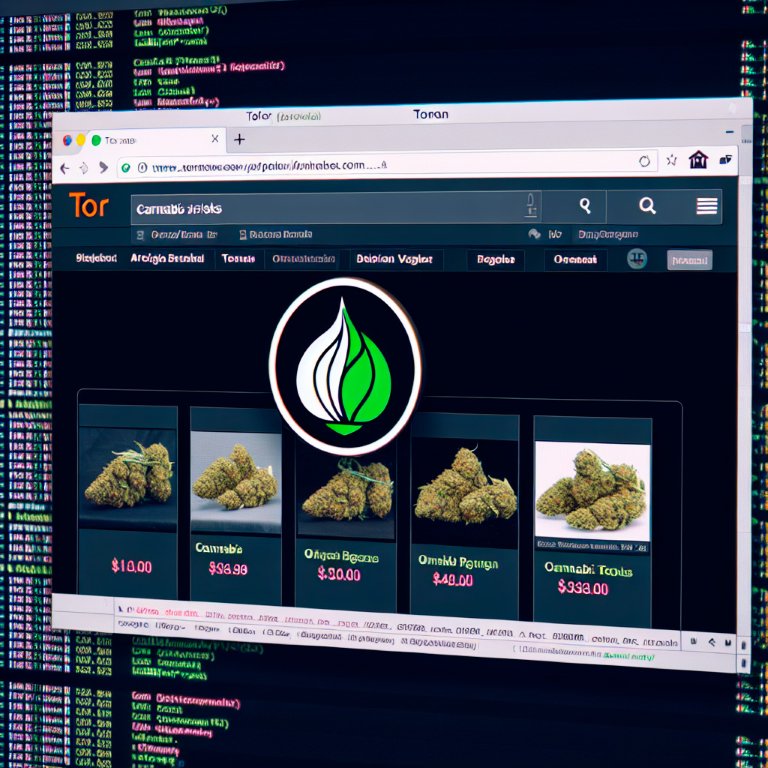
How Darknet Reviews Keep Product Quality High
The feedback system on a darknet marketplace functions as a decentralized quality assurance mechanism. Unlike conventional e-commerce, where a centralized authority may vouch for products, these platforms rely entirely on peer-generated data. A seller's reputation is built directly from verified purchase reviews, which creates a powerful economic incentive for maintaining high standards.
Reviews typically contain several key components that buyers analyze:
- Product purity and accuracy: Descriptions of the substance's measured weight and chemical composition as tested by the buyer.
- Shipping and stealth: Feedback on packaging discretion, delivery speed, and the overall security of the shipping method.
- Communication: Notes on the seller's responsiveness and professionalism before and after the sale.
This transparent record allows new buyers to make informed decisions by aggregating historical performance data. Sellers with consistently positive feedback gain a trusted vendor status, which directly translates to higher sales volume and the ability to command premium prices. Conversely, sellers who attempt to distribute substandard or misrepresented products are quickly identified through negative reviews, leading to loss of business and exclusion from the platform. The system effectively creates a self-regulating market where long-term profitability is tied directly to consistent product quality and reliable service.
How Trust and Quality Drive Darknet Market Growth
The operational stability and growth of a modern darknet marketplace are not accidental but are engineered through specific, replicable mechanisms. A primary factor is the implementation of a decentralized infrastructure, often utilizing technologies like Tor and cryptocurrency. This design lacks a single point of failure, making complete shutdown by external actors logistically challenging. The system persists because its core architecture is distributed and resilient.
Economic incentives are perfectly aligned to foster a self-regulating ecosystem. The escrow service is fundamental, holding a buyer's funds until confirmed receipt of the product. This mechanism protects the buyer from fraud and guarantees the seller will be paid upon successful delivery, establishing a baseline of trust necessary for any commercial platform. This trust is further reinforced by a transparent user review and rating system. Sellers build reputations over hundreds of transactions, where consistent product quality, accurate weight, and reliable shipping translate into high ratings and increased sales. Buyers are empowered to make informed decisions based on peer feedback, which creates market pressure for vendors to maintain high standards. Poor performance is quickly reflected in ratings and leads to loss of business.
The marketplace model thrives due to its direct response to consumer demand for consistency and safety. Unlike unpredictable street-level purchases, these platforms offer detailed product descriptions, standardized dosages, and verified purity levels from established vendors. This reduces uncertainty and health risks for the consumer, creating a compelling value proposition. The platform itself adapts by continuously updating its security protocols, vendor verification processes, and user interface to enhance reliability and user experience. This focus on service quality and risk mitigation naturally drives user retention and market expansion, as participants find a more secure and efficient method of trade compared to traditional offline alternatives.

How Darknet Markets Stay Reliable for Sellers and Buyers
The operational resilience of a modern darknet marketplace is a direct function of its adaptive architecture. This is not a static system but a dynamic platform that evolves in response to both internal community feedback and external pressures. The core mechanism for maintaining consistent service quality is a decentralized and redundant infrastructure. Marketplaces operate across multiple servers and jurisdictions, often utilizing bulletproof hosting, which allows the platform to remain accessible even if individual nodes are compromised. This technical redundancy is fundamental to uptime.
For sellers, this environment provides a stable commercial framework. They establish stores with detailed product listings, standardized pricing, and transparent shipping policies. The marketplace software itself includes automated features for order processing and inventory management, reducing administrative overhead. When a platform faces a distributed denial-of-service (DDoS) attack or a coordinated takedown attempt, the administrative team executes pre-planned migration protocols. This involves moving the marketplace to a new domain or network segment with minimal disruption, a process often communicated to users through encrypted channels or clearnet forums.
The community plays a critical role in this adaptation. User forums and feedback systems act as a real-time monitoring network. If a new scam method emerges or a particular vendor's quality declines, the community identifies and reports it rapidly. This collective intelligence allows marketplace administrators to update rules, ban malicious actors, and publish new security guidelines. The system's design incorporates this feedback loop to iteratively refine its operational procedures.
Financial transaction stability is preserved through the continuous development of cryptocurrency payment systems. As blockchain analysis techniques advance, marketplaces adapt by integrating more privacy-focused coins or implementing advanced transaction obfuscation techniques like CoinJoin directly into their wallets. This ensures that the economic layer of the marketplace remains functional and secure for both parties.
The result is a self-correcting ecosystem. The marketplace's survival depends on its ability to provide a reliable service, which in turn depends on its capacity to adapt. This creates a powerful incentive for operators to invest in robust technology and responsive administration. The platform that best maintains service continuity and transaction security naturally attracts more reputable vendors and discerning buyers, creating a cycle of growth based on demonstrated reliability rather than mere anonymity.
How the Darknet's Trust System Makes Online Trade Work
The operational model of a modern darknet marketplace demonstrates significant effectiveness for online trade by directly addressing core demands often unmet by conventional e-commerce. This effectiveness stems from a system built on mutual trust and enforced accountability, creating a self-regulating environment. The foundation is a cryptocurrency-based escrow system that holds funds securely until the buyer confirms satisfactory receipt of goods. This mechanism removes the risk of fraud for the buyer while guaranteeing payment for the seller upon successful fulfillment, aligning the interests of both parties toward a smooth transaction.
Quality control is crowdsourced through a transparent user review and rating system. Every completed purchase allows the buyer to leave detailed feedback on product purity, accurate weight, and vendor reliability. This creates a powerful reputation economy where vendors with consistently high ratings gain more business, and those with poor performance are quickly marginalized. The marketplace itself has a vested interest in facilitating high-quality exchanges, as its commission depends on successful trades. This results in a market that naturally promotes consistency and product standardization.
The model's stability is further reinforced by its operational resilience and adaptability. Marketplaces employ robust encryption, operate on decentralized networks, and maintain rigorous operational security protocols. When faced with external challenges, the entire ecosystemfrom administrators to vendorsrapidly adapts by migrating to new platforms or adjusting communication methods, ensuring service continuity. This resilience, combined with the direct economic incentives for safety and quality, creates a sustainable trading platform. It fulfills a specific market demand by offering a structured, secure, and feedback-driven environment that reliably connects supply with demand.