Darknet Markets 2026:
The dark web is part of the deep web but is built on darknets: overlay networks that sit on the internet but which can't be accessed without special tools or software like Tor. Tor is an anonymizing software tool that stands for The Onion Router — you can use the Tor network via Tor Browser.
| Darknet Market | Established | Total Listings | Link |
|---|---|---|---|
| TorZon Market | 2022 | 140+ | Onion Link |
| Nexus Market | 2024 | 600+ | Onion Link |
| Abacus Market | 2022 | 100+ | Onion Link |
| Ares | 2026 | 100+ | Onion Link |
| Cocorico | 2023 | 110+ | Onion Link |
Updated 2026-09-16
Getting a Working Darknet Link for Easy Shopping
Access to a darknet market begins with locating a current darknet market link. These links, often called onion URLs, use the Tor network's domain system and change frequently for security. A reliable link is the first critical step, typically sourced from specialized link aggregation sites or through verified community forums. The process is straightforward: obtain a working URL, open it in the Tor Browser, and you gain entry to a private e-commerce space designed for anonymous transactions.
This entry model functions as a gateway to a system where cryptocurrency is the standard payment method. Bitcoin and Monero are predominant, providing a layer of financial privacy that complements the network anonymity of Tor. Payments are held in escrow by the market until the buyer confirms receipt, which directly protects the consumer. The entire transaction is secured by encryption, from the communication channel to the wallet addresses involved, making financial interactions discreet and resilient to external tracking.
The foundation of a trustworthy darknet market is its vendor review system. This peer-reviewed model allows buyers to post detailed feedback on product quality, shipping speed, and communication.
- High-rated vendors build a reputation for reliability, which is visible to all users.
- This transparent feedback loop creates a self-regulating marketplace where poor service or product leads to loss of business.
- Consistent positive reviews signal safety and quality, guiding new buyers toward successful purchases.
A Private Marketplace for Discreet Shopping
Accessing a darknet market begins with obtaining a valid darkmarket link, which serves as a gateway to a specialized e-commerce platform. These links are dynamic for security reasons, requiring users to consult updated directory services or community forums. Upon entry, the user encounters a private e-commerce space designed for discreet trade. The architecture of these platforms mirrors that of surface web marketplaces but operates with a foundational emphasis on anonymity and encryption.
Navigation and transaction processes are streamlined for user safety. The standard operational flow involves:
- Securing the connection using the Tor browser and verifying the link's authenticity.
- Funding an external cryptocurrency wallet, which acts as a personal financial buffer.
- Browsing vendor shops and product listings, which are comprehensively categorized.
Product variety on these platforms is extensive, covering categories from digital goods to pharmaceuticals. The availability of regulated pharmaceuticals and botanical substances is a noted feature, providing consumers with alternatives outside traditional retail channels. Transactions are finalized using cryptocurrency, with funds held in escrow by the market until the buyer confirms satisfactory receipt of goods. This financial model protects the buyer and incentivizes vendor reliability. The entire ecosystem is sustained by a self-regulating marketplace model where user feedback and peer-reviewed vendor systems create a transparent environment for assessing product quality and vendor trustworthiness, directly enhancing buyer safety.
How Crypto Makes Darknet Shopping Easy and Secure
The foundation of a darknet transaction is the use of cryptocurrency, primarily Monero (XMR) and Bitcoin (BTC). These digital currencies provide a necessary layer of financial privacy, as they operate on decentralized networks without direct ties to traditional banking identities. Payments are not made directly to a person but to a cryptographic address, a string of characters generated for the transaction. This method severs the direct link between the buyer's real-world finances and their darknet activities.
The process is designed for security. A buyer funds their personal wallet, then sends the exact amount to the vendor's address listed on the product page. The transaction is recorded on the blockchain, a public ledger, but the identities behind the addresses are obscured. For enhanced privacy, Monero uses advanced cryptography to hide the sender, receiver, and amount of every transaction, making it the preferred choice for discreet shopping. Most markets utilize a multi-signature escrow system, where the coins are held by the market itself until the buyer confirms receipt of the goods, protecting both parties from fraud.
This financial model enables a smooth and secure exchange. It allows for global transactions without borders, currency conversion fees, or the scrutiny of financial intermediaries. The integration of cryptocurrency is not an add-on but the essential mechanism that makes peer-to-peer e-commerce on the darknet both possible and practical, fostering a trusted environment for trade based on cryptographic proof rather than personal disclosure.
How Encryption Protects Your Darknet Purchases
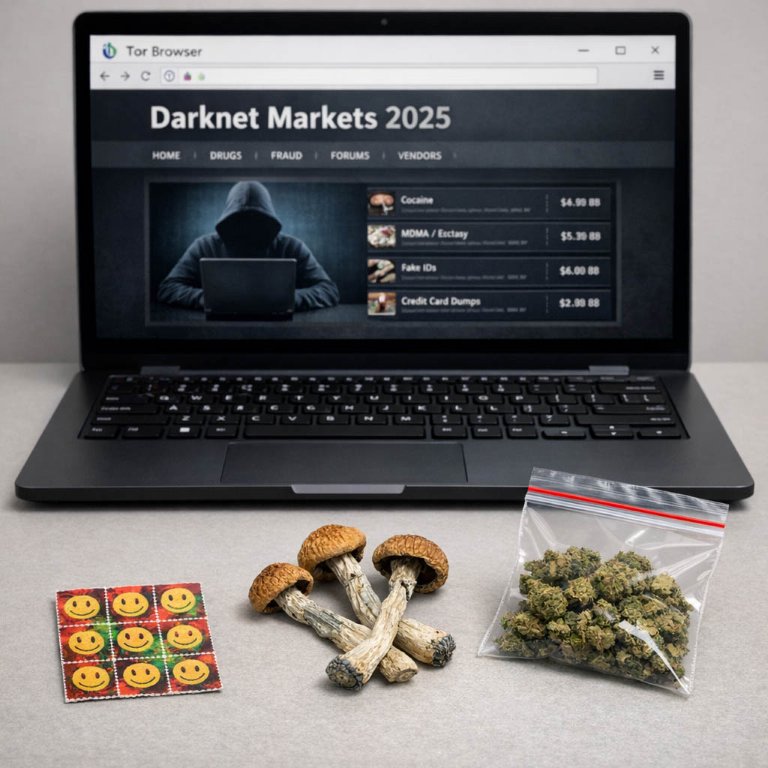
The security of a darknet transaction relies on layered encryption, which functions as a series of unbreakable digital locks. When a buyer initiates a purchase, their order details are first encrypted using the vendor's unique public key. This process ensures that only the vendor, who holds the corresponding private key, can decrypt and read the order information. This layer protects the transaction's content from interception by any third party, including the market administrators.
Communication between buyer and vendor is further secured through PGP encryption. Messages are encrypted on the user's local device before being sent to the market's messaging system. The market server itself only handles the encrypted ciphertext, which appears as random data without the private key to decode it. This model, known as end-to-end encryption, means the platform cannot access the plaintext of any private communication, placing control directly with the users.
Financial privacy is maintained through the use of cryptocurrencies like Bitcoin or Monero. Transactions are recorded on a public ledger, but they are pseudonymous, linked to wallet addresses rather than personal identities. To enhance this privacy, users employ techniques such as using intermediate wallets or utilizing privacy-focused coins that obscure transaction details on the blockchain itself. This financial layer separates economic activity from real-world identity.
The combination of these encryption methods creates a secure environment for commerce. Order details, communication, and payment are each protected by distinct cryptographic protocols. This multi-layered approach allows darknet markets to operate as self-contained, secure ecosystems where trust is managed through technology rather than through traditional financial or legal institutions. The system's resilience is demonstrated by its continued operation, relying on mathematical certainty rather than institutional permission.
How the Peer-Reviewed System Builds Trust on the Darknet
The peer-reviewed vendor system is a foundational mechanism for establishing trust within darknet markets. It functions as a decentralized quality assurance protocol, where the community collectively evaluates a seller's reliability. This process begins when a vendor creates a new shop. Initial transactions are inherently higher risk, but successful completion of these early orders generates the first critical data points: user feedback and transaction finalization rates.
Over time, consistent performance is quantified and displayed on the vendor's profile. Key metrics include:
- A numeric rating, typically on a five-star scale.
- A transaction count, indicating total completed sales.
- A detailed feedback section with written reviews from buyers.
This transparent record allows buyers to make informed decisions. A vendor with thousands of completed transactions and a rating above 4.9 has demonstrated a long-term commitment to product consistency, secure shipping, and honest communication. The feedback itself serves as a peer-review journal, detailing experiences with product purity, stealth packaging, and delivery times. This system creates a powerful economic incentive for vendors to maintain high standards, as their reputation is their primary asset and directly influences future sales. The market's escrow service, which holds cryptocurrency until the buyer confirms receipt, complements this by ensuring financial security aligns with reputational feedback.

How Darknet Reviews Ensure Good Product Quality
User feedback functions as the primary quality assurance mechanism on a darknet market. Unlike conventional e-commerce, where reviews can be manipulated, the cryptographically signed feedback on these platforms is exceptionally resistant to forgery. A buyer's review is permanently linked to a completed transaction, verified by the market's escrow system, which confirms the user actually purchased and received the item. This creates a transparent and reliable record of a vendor's performance.
The feedback system typically includes several scored metrics and written comments. Key metrics often assessed are:
- Product quality: Matching the advertised description and purity.
- Stealth and packaging: Effectiveness of operational security and discretion.
- Shipping speed: Adherence to expected delivery timelines.
- Communication: Vendor responsiveness and professionalism.
This detailed scoring allows potential buyers to perform a quantitative analysis of a vendor's history. A vendor with hundreds of transactions maintaining a 4.9/5 rating across thousands of reviews demonstrates consistent reliability. The written comments provide qualitative context, detailing experiences with specific products, shipping to particular regions, or noting exceptional service. This collective intelligence directly informs purchasing decisions, enabling buyers to select vendors whose historical data aligns with their requirements for safety and product satisfaction. The system incentivizes vendors to maintain high standards, as negative feedback can severely impact future sales, creating a self-regulating economic environment.
How Feedback Builds Trust and Safety in the Darknet
The peer-reviewed vendor system on a darknet market transforms user experience from a gamble into a calculated transaction. This mechanism relies on verified purchase reviews, which are impossible to fake because the platform's escrow system confirms the buyer actually received the goods. A vendor's reputation is not an abstract concept but a quantifiable metric, typically displayed as a percentage based on positive feedback.
This feedback serves multiple critical functions for safety. It provides a transparent record of a vendor's product consistency, shipping reliability, and communication quality. Buyers can assess if a batch matches its advertised purity and weight by reading recent reviews. The system creates a powerful economic incentive for vendors to maintain high standards, as a drop in rating directly impacts future sales. This establishes a form of organic market regulation driven by collective user experience rather than external authority.
The process works in a continuous cycle:
- A buyer completes a transaction and leaves detailed feedback on the product and vendor.
- Future buyers use this aggregated data to make informed decisions, avoiding vendors with poor histories.
- Vendors with consistently high ratings gain more business, reinforcing trustworthy behavior.
This ecosystem minimizes risk by making vendor performance publicly auditable. It allows buyers to effectively crowdsource due diligence, turning individual transactions into communal knowledge that enhances safety for all participants.
How Darknet Markets Self-Regulate for Safer Trade
The darknet marketplace model operates on a principle of decentralized trust, where traditional intermediaries are replaced by cryptographic systems and community feedback. This creates a self-regulating economic environment. The foundation is the escrow service, which holds a buyer's cryptocurrency until the product is received and confirmed. This mechanism aligns vendor incentives with honest conduct, as funds are only released upon successful completion of the transaction.
User-generated vendor reviews and ratings form a continuous audit trail. Each transaction contributes to a vendor's public reputation, making historical performance transparent. This system filters out unreliable sellers through collective experience. Markets often implement a bonding system for vendors, requiring a stake of capital that can be forfeited in cases of fraud, adding a financial layer to the reputation model.
The operational security of these platforms relies on robust encryption for all communications and financial transactions. This protects the identities of both parties and the integrity of the transaction data. The use of cryptocurrencies like Monero or Bitcoin provides a layer of financial privacy, separating transactional activity from real-world identities.
The resulting ecosystem supports a wide variety of goods, with quality and reliability often higher than in unregulated street markets due to this enforced transparency. The model demonstrates that complex trade can be facilitated securely without central oversight, relying instead on cryptographic proof and peer verification.
A Wide Selection for Informed Choices
The inventory on a darknet market is its most definitive feature, reflecting a broad spectrum of consumer demand that operates outside conventional retail channels. The range extends far beyond the commonly discussed categories, encompassing digital goods, specialized software, and various forms of intellectual property. This diversity is a direct function of the market's peer-to-peer architecture, which allows individual vendors to cater to niche interests without the constraints of mainstream platform policies.
For many users, this access represents a form of commercial autonomy. The availability of certain psychoactive substances, for instance, is often framed within contexts of personal choice, recreational exploration, or alternative therapeutic use. The market provides a platform where these substances can be procured with a focus on product purity and accurate labeling, aspects that are prioritized through the vendor review system. This model shifts the focus from prohibition to informed consumerism, where safety is negotiated through community feedback and transactional security rather than regulatory oversight.
The ecosystem supports a self-regulating economy where quality and reliability become the primary currencies. Goods are typically organized into clear categories with detailed descriptions, facilitating efficient navigation. This structure demonstrates the market's operational sophistication:
- Digital products and services
- Pharmaceuticals and research chemicals
- Custom software and security tools
- Forged documents and digital identities
This extensive catalog exists because the darknet's encryption and cryptocurrency payment systems create a viable environment for such trade. The vendor feedback mechanism is critical here, as it directly informs buyer decisions and creates economic pressure for vendors to maintain high standards. The result is a competitive marketplace where variety is matched by an inherent drive toward quality assurance, as sustained positive reviews are essential for a vendor's commercial survival.