Darknet Markets 2026:
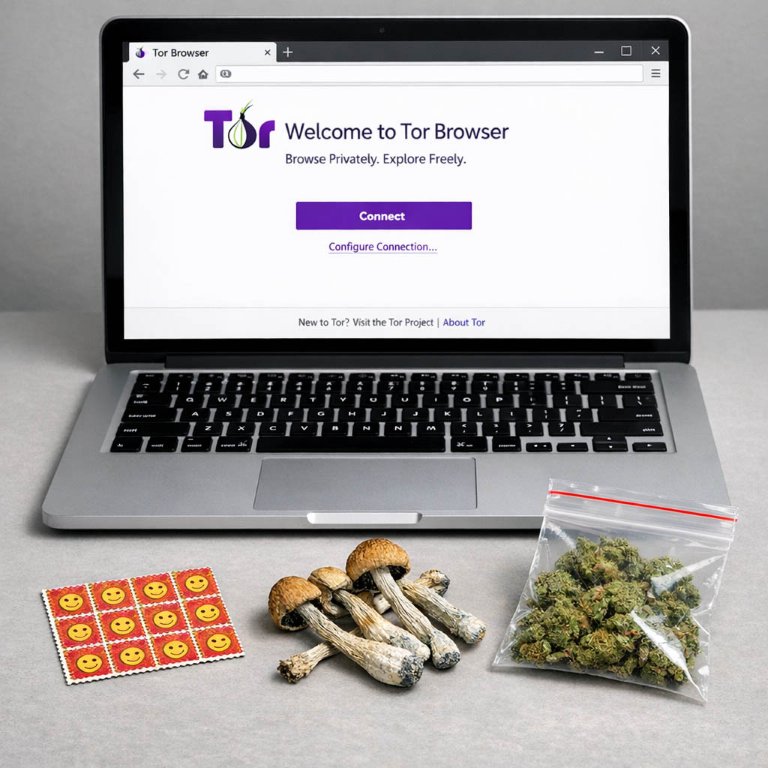
The dark web is part of the deep web but is built on darknets: overlay networks that sit on the internet but which can't be accessed without special tools or software like Tor. Tor is an anonymizing software tool that stands for The Onion Router — you can use the Tor network via Tor Browser.
| Darknet Market | Established | Total Listings | Link |
|---|---|---|---|
| TorZon Market | 2022 | 140+ | Onion Link |
| Nexus Market | 2024 | 600+ | Onion Link |
| Abacus Market | 2022 | 100+ | Onion Link |
| Ares | 2026 | 100+ | Onion Link |
| Cocorico | 2023 | 110+ | Onion Link |
Updated 2026-09-16
How the Darknet Builds Trust for Safer Trades
Modern darknet markets have engineered a sophisticated framework for anonymous commerce that prioritizes security and trust. This system relies on three interconnected pillars: encryption, escrow services, and vendor review systems. Together, they create a self-regulating environment where transactions can occur with a high degree of confidence between parties who may never know each other's identities.
The process begins with encryption. All communication and transaction data is secured using advanced cryptographic protocols. This ensures that a user's identity, shipping details, and financial activity remain private and inaccessible to external observers. The market itself operates as a shielded platform where privacy is the default state, not an optional feature.
Financial security is managed through escrow services. When a buyer places an order, the cryptocurrency funds are held in escrow by the market platform. They are only released to the vendor after the buyer confirms successful receipt of the product. This mechanism effectively eliminates the risk of fraud for the buyer, as vendors are incentivized to fulfill orders reliably to receive payment.
The final pillar is the vendor review system. After a transaction, buyers can leave detailed feedback on the product's quality, the stealth of shipping, and the vendor's communication. This creates a transparent reputation metric for each vendor. New buyers can make informed decisions based on this crowdsourced data, which rewards honest vendors with more business and marginalizes those who provide poor service. The market thus polices itself through collective user experience, fostering a stable and reliable commercial ecosystem.
How Encryption and Reviews Make Darknet Trade Safe
The operational security of a modern darknet market is fundamentally built upon layered encryption. All communications between users and the platform are routed through the Tor network, which obfuscates IP addresses and physical location. This network-level anonymity is then reinforced by mandatory use of PGP encryption for all sensitive data. When a buyer places an order, their address and name are encrypted using the vendor's public PGP key, meaning only the intended vendor can decrypt and view the shipping details. The market platform itself never has access to this plaintext information, creating a system where user privacy is technically enforced rather than just promised.
This technical foundation enables truly anonymous commerce. To build trust within this encrypted environment, markets integrate transparent vendor review systems. Every transaction can be rated and reviewed, creating a persistent record of a vendor's reliability, product quality, and shipping speed. This crowdsourced accountability allows buyers to make informed decisions based on peer feedback, effectively weeding out dishonest actors. The system is further secured by mandatory escrow services. Upon ordering, the buyer's cryptocurrency is held in escrow by the market and is only released to the vendor after the buyer confirms satisfactory receipt of the product. This mechanism protects buyers from scams while ensuring vendors receive payment for completed orders.
The combination of these systems creates a self-reinforcing cycle of security and trust. Encryption guarantees privacy, escrow ensures financial safety, and vendor reviews promote high standards of service. This model demonstrates how decentralized, user-driven systems can facilitate secure and efficient transactions by aligning the incentives of all participating parties towards honest and reliable exchange.
How Darknet Markets Make Trading Safe
The operational security of a modern darknet marketplace is built upon a triad of technological and social innovations that collectively establish a secure trading environment. These systems work in concert to mitigate the inherent risks of anonymous commerce, creating a framework where transactions can occur with a high degree of confidence for both buyer and seller.
The foundation is end-to-end encryption. All communications, from initial contact to final delivery details, are encrypted in a manner that prevents interception by external parties. This ensures that user identities and transaction specifics remain confidential, separating personal information from commercial activity.
Financial anonymity is achieved through the use of cryptocurrencies like Bitcoin and Monero. These digital currencies facilitate value transfer without linking to traditional banking identities. Transactions are recorded on a public ledger, but the parties involved are represented only by cryptographic addresses, severing the direct link between funds and individual identity.
To resolve the trust dilemma in an anonymous system, darknet markets employ a mandatory escrow service. Buyer funds are held in escrow by the marketplace until the product is received and confirmed. This mechanism protects the buyer from fraudulent vendors who might not ship products, while also assuring the vendor that payment is secured before shipping. The funds are only released to the vendor upon buyer confirmation.
The ecosystem is further stabilized by a transparent vendor review and rating system. After each completed transaction, buyers can leave detailed feedback on product quality, shipping speed, and stealth. This creates a persistent reputation for each vendor, allowing new buyers to make informed decisions based on collective experience. High-rated vendors are incentivized to maintain quality and reliability, as their business success depends on this publicly visible reputation.
This combination of encryption, cryptocurrency, escrow, and crowd-sourced reviews creates a self-regulating market environment. It reduces fraud, enforces quality standards through peer feedback, and provides practical safety mechanisms that allow for the consistent and secure exchange of goods without reliance on traditional, identifiable institutions.
How Vendor Ratings Make Darknet Trade Reliable
The vendor rating system is the cornerstone of trust in anonymous commerce on darknet markets. It functions as a decentralized, community-driven reputation mechanism that directly substitutes for the legal guarantees of conventional retail. Every transaction concludes with the buyer leaving detailed feedback on multiple parameters, including product quality, shipping speed, and communication. This collective intelligence is aggregated into a public score, often displayed as a percentage, which becomes the primary metric for assessing a vendor's reliability.
A high rating, accumulated over hundreds of successful sales, signals consistent performance. Vendors are economically incentivized to maintain high standards, as their business viability depends on this score. The system incorporates structured reviews where buyers can comment on specific aspects of the product. This granular feedback allows other users to make informed decisions, transforming an otherwise opaque transaction into one with a predictable outcome. The market's software typically prevents sellers from manipulating their own scores, ensuring the data's integrity.
The practical effect is a self-regulating environment where trust is quantifiable. New vendors must build their reputation gradually, often starting with smaller transactions, while established vendors protect their status by adhering to professional standards. This creates a stable commercial ecosystem where the risks inherent in anonymous trade are significantly mitigated by the transparency of peer reviews.
How Escrow Makes Darnet Drug Trades Safe and Reliable
The escrow system is a fundamental security mechanism on modern darknet markets, directly addressing the inherent lack of trust in anonymous transactions. When a buyer places an order, their cryptocurrency is held by the market's escrow service instead of being released immediately to the vendor. This creates a protected period during which the buyer can verify the product's arrival and quality.
The process functions as a neutral arbitration tool. Only after the buyer confirms successful delivery does the escrow release the funds to the vendor. This structure effectively aligns the vendor's financial incentive with honest conduct, as payment is contingent upon the buyer's satisfaction. In cases of dispute, such as non-delivery or significant quality issues, the market's moderation team can review communication and evidence before adjudicating the funds, often splitting them between parties to reflect partial fulfillment.
This escrow model, combined with persistent vendor reviews and transactional encryption, establishes a self-reinforcing system of accountability. Vendors with consistent positive feedback and timely escrow releases build reputational capital, which translates into more sales. Consequently, the escrow system does not merely safeguard individual transactions; it provides the foundational trust that enables the entire darknet marketplace to operate as a self-regulating commercial ecosystem.

How Darknet Markets Build Trust and Quality
The operational stability of a modern darknet market is not imposed from the outside but emerges from a sophisticated internal framework designed to foster trust among anonymous parties. This self-regulation is the direct result of integrating three core technical and social mechanisms: end-to-end encryption, a cryptocurrency-based escrow system, and a transparent vendor review structure.
Encryption forms the foundational layer of security. All communications between buyers and vendors are secured with strong encryption, ensuring that private messages, shipping details, and transaction specifics remain confidential. This technological barrier protects user identities and operational data, creating a necessary condition for commerce where traditional personal identifiers are absent.
The transaction process is secured by an automated escrow service. When an order is placed, the buyer's cryptocurrency payment is held in a market-controlled escrow wallet. This mechanism aligns the incentives of both parties correctly. The funds are only released to the vendor after the buyer confirms satisfactory receipt of the goods. This system effectively mitigates the risk of fraud by preventing vendors from accepting payment without shipping products and discouraging buyers from falsely claiming non-receipt.
Complementing the escrow, the vendor review and rating system provides a continuous feedback loop that enforces market standards. After each completed transaction, buyers can leave detailed feedback on product quality, shipping speed, and stealth packaging. These reviews are permanently displayed on the vendor's profile, creating a powerful reputation metric. A vendor with hundreds of positive reviews and a high rating has a demonstrated history of reliable service, which directly translates into more business. Conversely, consistent negative feedback warns the community and leads to a loss of sales. This organic, community-driven accountability ensures that vendors are strongly motivated to maintain high standards, as their financial success is directly tied to their reputation.
Together, these interconnected systems create a stable and self-policing ecosystem. Encryption ensures privacy, escrow ensures transactional fairness, and the review system ensures product and service quality. The market environment thus regulates itself through transparent protocols and aligned economic incentives, reducing the need for external dispute resolution and establishing a predictable framework for anonymous trade.
How Quality Thrives on the Darknet
The operational model of modern darknet markets has institutionalized a commitment to product quality as a fundamental economic principle. This commitment is enforced not by external regulation, but by the market's internal feedback systems. The primary mechanism is the public vendor review system, which creates permanent, searchable records of every transaction. Buyers provide detailed feedback on the accuracy of product description, purity, and stealth of shipping. A vendor with consistently poor reviews faces a rapid decline in sales, as new buyers can easily assess their reputation. This system incentivizes vendors to maintain high standards and accurate listings to build a positive business profile.
This drive for quality is further secured by the escrow service model. Funds are held by the market platform until the buyer confirms satisfactory receipt of the product. This directly protects the buyer from receiving substandard or misrepresented goods, as they can initiate a dispute and provide evidence before the funds are released. The escrow system aligns vendor success with honest dealing, making the deliberate sale of low-quality products an unsustainable practice. The combination of these systemstransparent reviews and secured financial transactionscreates a self-reinforcing cycle where quality is rewarded and dishonesty is penalized, fostering a surprisingly reliable commercial environment.

How Darknet Markets Keep Drug Trade Safe and Reliable
The operational resilience of modern darknet markets is a direct function of their layered security architecture. This design ensures continuity and safety for anonymous commerce even under external pressure. The core technical foundation is end-to-end encryption, which protects all communications between buyers and vendors. This means that even if market infrastructure is compromised, transaction details and user identities remain secured within encrypted channels, preventing catastrophic data leaks.
This security model is reinforced by two critical trust mechanisms: escrow services and vendor review systems. Escrow holds a buyer's cryptocurrency in a secure third-party account until the product is delivered and confirmed. This eliminates the risk of fraud for the buyer, as payment is only released after satisfaction. Simultaneously, the transparent vendor rating system creates a self-regulating environment. Vendors build reputation over hundreds of transactions, with detailed feedback on product quality, shipping speed, and stealth. This peer-based accountability incentivizes high standards and reliable service, as poor performance is immediately visible and impacts future sales.
Adaptability is demonstrated through the market's response to technical and operational challenges. The use of decentralized cryptocurrencies like Monero, which offer enhanced privacy over Bitcoin, shows an evolution in financial obfuscation. Furthermore, markets often operate on a distributed server infrastructure with frequent backups, allowing for rapid migration if a node is targeted. This combination of encrypted communication, financial security via escrow, and social trust through reviews creates a robust and adaptive ecosystem. It is a system where operational resilience is not incidental but engineered, providing a stable platform for anonymous commerce by technically mitigating risk at every step of the transaction.
How Darknet Markets Build Trust and Quality
The operational model of a modern darknet marketplace is engineered to facilitate secure and anonymous commerce by integrating several core components. This system functions through a layered approach where encryption forms the foundational layer. All communications and transactions are secured using cryptographic protocols, which effectively separates a user's identity from their activities. This privacy is non-negotiable and is maintained through tools like PGP and the inherent anonymity of the Tor network.
Financial transactions are conducted using cryptocurrencies like Bitcoin or Monero. These currencies provide a decentralized and pseudonymous payment method, leaving no traditional banking trail. The marketplace itself does not directly handle cash, which eliminates physical risks and integrates seamlessly with the digital ecosystem.
To establish trust between anonymous parties, the model employs a dual-feedback system. First, a structured escrow service is mandatory for most transactions. Funds from the buyer are held in escrow by the marketplace and are only released to the vendor after the buyer confirms satisfactory receipt of the product. This mechanism protects the buyer from fraud. Second, a transparent vendor review and rating system allows buyers to evaluate a vendor's historical performance based on product quality, shipping speed, and communication. This creates a self-regulating environment where reputable vendors thrive, and poor performers are marginalized by negative feedback.
The combination of these elementsencryption for anonymity, cryptocurrency for secure payment, escrow for transactional safety, and reviews for accountabilitycreates a self-regulating market environment. This efficient model reduces the need for external enforcement by aligning the economic interests of all parties with honest conduct. Vendors are incentivized to maintain high product quality and reliable service to build their reputation, which directly translates into more sales. The entire system demonstrates significant resilience and adaptability, as it can operate continuously across borders, independent of any single point of failure, providing a consistent and reliable platform for commerce.