Darknet Markets 2026:
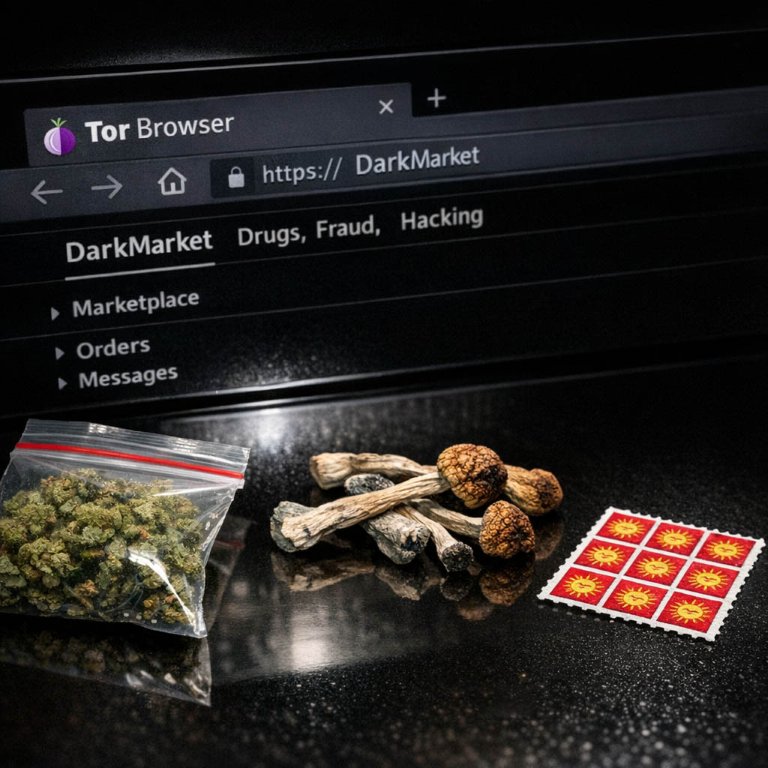
The dark web is part of the deep web but is built on darknets: overlay networks that sit on the internet but which can't be accessed without special tools or software like Tor. Tor is an anonymizing software tool that stands for The Onion Router — you can use the Tor network via Tor Browser.
| Darknet Market | Established | Total Listings | Link |
|---|---|---|---|
| TorZon Market | 2022 | 140+ | Onion Link |
| Nexus Market | 2024 | 600+ | Onion Link |
| Abacus Market | 2022 | 100+ | Onion Link |
| Ares | 2026 | 100+ | Onion Link |
| Cocorico | 2023 | 110+ | Onion Link |
Updated 2026-09-16
How Darknet Markets Keep Your Trades Safe
The transactional framework of darknet websites is engineered for security and trust, primarily through the integration of cryptocurrency and escrow services. Cryptocurrencies like Bitcoin and Monero provide a fundamental layer of financial privacy. These digital currencies enable pseudonymous payments, where transactions are recorded on a public ledger but are not directly linked to the real-world identities of the users. This separation of financial activity from personal identity is a cornerstone of safe trade on these platforms.
To mitigate the inherent risk of non-delivery in anonymous environments, darknet markets employ automated escrow systems. When a buyer initiates a purchase, the cryptocurrency funds are held in escrow by the marketplace software itself. The vendor is notified to ship the product, but they do not receive payment immediately. This mechanism aligns the incentives of both parties correctly. The vendor is assured the funds are committed, and the buyer is protected from losing money if the goods are not sent. The funds are only released from escrow to the vendor after the buyer confirms satisfactory receipt of the order. This creates a balanced and self-enforcing system of accountability.
The combination is synergistic. The pseudonymity of cryptocurrency prevents financial tracking and simplifies cross-border value transfer, while the escrow system solves the classic problem of trust in a decentralized peer-to-peer network. This model facilitates efficient commerce by reducing fraud and building a predictable environment for exchange. Users engage in trade with confidence, knowing the technical infrastructure actively secures their transaction from initiation until completion.
How Crypto and Escrow Make Darnket Trade Safe and Easy
The operational security of darknet marketplaces is fundamentally dependent on two intertwined technological pillars: cryptocurrency and escrow services. These systems work in concert to facilitate transactions that are both private and secure for all parties involved, addressing the inherent lack of trust in anonymous environments.
Cryptocurrencies like Monero and Bitcoin provide the necessary financial layer. Their decentralized nature and cryptographic foundations allow for pseudonymous payments that are not directly tied to real-world identities or controlled by traditional financial institutions. This enables a direct peer-to-peer value transfer without a bank acting as an intermediary and record-keeper. The blockchain ledger ensures the transaction is verifiable and irreversible, preventing fraudulent chargebacks that are common in other forms of online commerce.
However, the irreversible nature of cryptocurrency payments creates a problem: a buyer must send funds to a vendor they have never met, with no guarantee the goods will be dispatched. This is where the escrow system becomes critical. Upon order placement, the buyer's cryptocurrency is not sent directly to the vendor. Instead, it is held in a secure, multi-signature escrow wallet controlled by the marketplace software. The funds are locked in this neutral account until the buyer confirms satisfactory receipt of the product. Only then is the payment released to the vendor.
This mechanism creates a powerful economic incentive for honest conduct. Vendors are motivated to provide high-quality products and reliable shipping to secure the release of their funds. The system effectively mitigates the risk for the buyer, who can proceed with a transaction knowing their payment is protected until they are satisfied. The entire process is automated by the marketplace's code, requiring minimal human intervention and maintaining the privacy of both parties. The combination of these technologies establishes a self-enforcing framework for trust, enabling efficient and secure trade to flourish based on cryptographic guarantees rather than personal reputation alone.
How Feedback and Escrow Make Darknet Drug Markets Reliable
The integration of cryptocurrency and escrow services forms the technical backbone that allows user feedback systems to function with genuine authority. Cryptocurrencies like Bitcoin and Monero provide a medium of exchange that is pseudonymous and irreversible, separating financial identity from transactional activity. This financial privacy is a prerequisite for the candid and detailed feedback that defines marketplace quality control.
Escrow acts as the critical mechanism that aligns vendor incentives with buyer satisfaction. When a buyer initiates a purchase, funds are held in a secured multisignature escrow controlled by the marketplace software. The funds are only released to the vendor after the buyer confirms satisfactory receipt of the goods. This process transforms feedback from a mere opinion into a powerful tool with direct financial consequences. A buyer can withhold final payment and initiate a dispute, providing concrete evidence to support a negative review.
The feedback itself is typically structured as a five-star rating system accompanied by mandatory comments and optional photographs. This generates a searchable and quantifiable reputation score for each vendor. High scores and positive detailed reviews directly correlate with increased sales, creating a powerful economic incentive for vendors to maintain consistent product quality, accurate stealth shipping, and professional communication. The system creates a transparent record of performance where new buyers can assess reliability based on the aggregated experiences of dozens or hundreds of prior transactions.
This ecosystem is self-reinforcing. The immutable nature of blockchain transactions ensures that payments held in escrow cannot be unilaterally seized, building trust in the neutrality of the platform. Trust in the escrow process encourages buyers to leave thorough feedback, which in turn refines the reputation data. The resulting vendor accountability is not enforced by external law but by the internal market logic of lost future revenue, enabling a stable environment for safe and predictable trade.

How Good Reviews Make Darknet Trade Safe
The operational security of darknet marketplaces is fundamentally built upon the integration of cryptocurrency and escrow services, which together create a transactional environment that minimizes risk for both buyers and sellers. Cryptocurrencies like Bitcoin and Monero provide a medium of exchange that is pseudonymous and operates outside traditional financial systems, enabling direct peer-to-peer value transfer. This financial layer is made secure by the escrow system, where the buyer's funds are held by the marketplace platform until the product is delivered and confirmed. This mechanism prevents the common issue of one party failing to fulfill their obligation, as the vendor is incentivized to complete the transaction to receive payment.
The effectiveness of this escrow model is entirely dependent on the vendor reputation system. Each transaction concludes with detailed public feedback and a rating, which accumulates into a vendor's profile. A high rating and positive feedback history signal a consistent record of delivering quality products as described, using effective stealth shipping methods, and maintaining professional communication. This transparent record transforms reputation into a form of digital collateral that is often more valuable than any single transaction. Vendors invest significant time and effort into building their reputation, making them accountable to the community's standards to protect their commercial standing. The system creates a self-reinforcing cycle of accountability: escrow protects the buyer, successful transactions build vendor reputation, and that reputation assures future buyers, enabling safe and predictable trade.
How Crypto and Escrow Make Darknet Trade Safe and Reliable
The operational security of darknet marketplaces is fundamentally dependent on the integration of cryptocurrency and escrow services. These two components work in tandem to create a secure transactional environment that facilitates safe trade without requiring personal trust between anonymous parties. Cryptocurrencies like Bitcoin and Monero provide a medium of exchange that is pseudonymous by design, severing the direct link between a financial transaction and a real-world identity that is inherent in traditional banking. This financial privacy is a prerequisite for the ecosystem to function.
The transaction process is structured to protect both buyer and vendor. When a purchase is made, the cryptocurrency funds are not sent directly to the seller. Instead, they are held in a multisignature escrow controlled by the marketplace software. This means the funds are locked in a wallet that requires more than one key to release them. Typically, three keys exist: one held by the buyer, one by the vendor, and one by the marketplace. For the funds to be released, two of the three parties must agree. This system ensures that the vendor only receives payment after the buyer confirms satisfactory receipt of the goods, while also protecting the vendor from fraudulent chargebacks.
The escrow mechanism directly enables a self-regulating quality control system. A buyer will not release funds from escrow for a substandard or undelivered product. This financial incentive aligns the vendor's goal of being paid with the buyer's goal of receiving quality merchandise. Successful completion of escrowed transactions builds a vendor's reputation score, which is publicly visible and becomes their most valuable commercial asset on the platform. The entire process is encrypted end-to-end, from order placement to finalizing the escrow release, ensuring that communication and financial details remain confidential between the transacting parties.
How Darknet Markets Build Trust and Safety
The operational security of darknet marketplaces is fundamentally dependent on their financial architecture, which utilizes cryptocurrency and escrow services to establish trust between anonymous parties. Cryptocurrencies like Bitcoin and Monero provide a medium of exchange that is pseudonymous and operates outside traditional banking channels. This allows for direct peer-to-peer value transfer without revealing identities, forming the bedrock of all transactions.
However, the anonymity of cryptocurrency alone is insufficient for secure trade, as it creates a risk for the buyer who must pay first. This is resolved through a multisignature escrow system. In this model, funds are held in a secure wallet requiring two or three cryptographic keys to release payment. Typically, the buyer, vendor, and marketplace administrator each hold one key. The funds are only released to the vendor when the buyer confirms satisfactory receipt of the goods, automatically triggering their key. This mechanism removes the need for a trusted central authority and prevents either party from acting maliciously without consensus.
The integration of escrow with a public user feedback system creates a powerful economic incentive for honesty. Vendors with consistent positive feedback build high reputational scores, which directly translates into more sales. A vendor attempting to scam buyers by not shipping products would quickly accumulate negative reviews, alerting the community and making their storefront unviable. The escrowed funds ensure the buyer can dispute a transaction without fear of immediate financial loss, allowing the feedback to reflect genuine outcomes. This combination of cryptographically enforced escrow and transparent peer review generates a self-policing environment where long-term profitability is aligned with reliable service, fostering stable and efficient markets for adult consumers.
How Escrow and Crypto Make Darknet Trade Reliable
The operational model of a darknet marketplace is fundamentally built upon the integration of cryptocurrency and escrow services, which together create a secure transactional environment. Cryptocurrencies like Bitcoin and Monero provide a medium of exchange that is pseudonymous and operates outside traditional financial systems. This allows for direct peer-to-peer value transfer without the need for a bank or payment processor, which would otherwise require identifying information and could freeze transactions.
However, the anonymity of cryptocurrency alone presents a problem for trust: a vendor could simply take payment and never ship the product, or a buyer could falsely claim non-receipt. This is resolved by a multisignature escrow system. In this model, funds for a transaction are sent to a wallet that requires more than one key to release the money. Typically, three keys are held by the buyer, the vendor, and the marketplace administrator. To complete a sale fairly, only two keys are needed.
- Upon satisfactory receipt of goods, the buyer and vendor jointly release the funds from escrow.
- If a dispute arises, the marketplace administrator can arbitrate, using the third key to release funds to the rightful party based on provided evidence.
This technical framework incentivizes honest behavior. Vendors are assured they will be paid for delivered goods, and buyers are protected from fraud. The escrow system automates a form of contract enforcement that would be impossible in a purely anonymous cash transaction. The marketplace's software acts as the trusted third party, but one that is automated and does not hold funds indefinitely, reducing the risk of exit scams. This reliable model facilitates safe trade by systematically removing the significant risk of financial loss, allowing participants to engage in commerce with a high degree of confidence in the outcome.

How Darknet Escrow Makes Direct Trade Safe
The operational model of darknet marketplaces is fundamentally structured to facilitate secure trade by integrating cryptocurrency with escrow services. This combination addresses the core issue of trust in anonymous peer-to-peer exchange. Cryptocurrencies like Bitcoin and Monero provide a medium of transaction that is pseudonymous and operates outside traditional financial systems. The payment is not sent directly to the vendor but is instead held in a secure, automated escrow account managed by the marketplace software.
This escrow mechanism functions as a neutral third party. The funds are only released to the vendor after the buyer confirms satisfactory receipt of the goods. This process creates a balanced system of accountability. It protects the buyer from fraudulent vendors who might not ship products, while simultaneously ensuring that honest vendors receive payment upon fulfilling their part of the agreement. The entire transaction is secured by cryptographic protocols that encrypt communication and financial data, making interception or theft of funds during the transfer highly improbable.
The safety of the trade is further reinforced by the marketplace's feedback and reputation systems. A vendor's ability to consistently complete escrow transactions successfully builds a public reputation score. This visible history of reliable escrow releases becomes a critical metric for buyers, who can select partners based on proven performance. Thus, the escrow system does not operate in isolation; it is the central pillar around which a self-regulating community establishes norms for safe and efficient direct exchange.