Darknet Markets 2026:
The dark web is part of the deep web but is built on darknets: overlay networks that sit on the internet but which can't be accessed without special tools or software like Tor. Tor is an anonymizing software tool that stands for The Onion Router — you can use the Tor network via Tor Browser.
| Darknet Market | Established | Total Listings | Link |
|---|---|---|---|
| TorZon Market | 2022 | 140+ | Onion Link |
| Nexus Market | 2024 | 600+ | Onion Link |
| Abacus Market | 2022 | 100+ | Onion Link |
| Ares | 2026 | 100+ | Onion Link |
| Cocorico | 2023 | 110+ | Onion Link |
Updated 2026-09-16
How the Darknet Makes Private, Reliable Trade Possible
The operational model of dark websites for commerce is built upon two foundational pillars: cryptocurrency and vendor reputation systems. These elements work in tandem to create a secure and private trading environment that functions with minimal central oversight.
Cryptocurrencies like Bitcoin and Monero are the default payment methods. Their decentralized nature and cryptographic protocols provide a layer of financial privacy that traditional banking cannot. Transactions do not require the disclosure of personal identities, and the public ledger, while transparent, uses pseudonymous addresses. This allows for the transfer of value without intermediaries, aligning perfectly with the darknet's core principle of disintermediated peer-to-peer exchange.
Trust is established not through a central authority but through crowdsourced feedback mechanisms. Each marketplace features a detailed vendor rating system where buyers leave reviews on product quality, shipping speed, and communication. This creates a transparent record of performance. High-rated vendors build a digital reputation that becomes their most valuable asset, incentivizing honest conduct. The system often includes:
- Escrow services, where funds are held by the platform until the buyer confirms receipt.
- Detailed product listings with photographs and specifications.
- Resolution centers for disputed transactions.
This combination of irreversible, private payments and publicly auditable vendor history reduces fraud and fosters a self-regulating market. The economic activity is driven by this efficient pairing: cryptocurrency enables the private transaction of value, while reputation systems curate reliable participants, allowing complex commerce to flourish organically on an encrypted network.
How Encryption and Reviews Keep Darknet Users Safe
The operational security of darknet commerce relies on a dual-pillar system combining financial anonymity and social verification. Cryptocurrencies like Bitcoin and Monero provide the transactional foundation. These digital currencies allow value transfer without linking to real-world identities through traditional banking systems. Payments are made to escrow accounts controlled by the marketplace, not directly to the vendor, which holds funds until the buyer confirms receipt. This mechanism prevents straightforward theft and aligns vendor incentives with successful delivery.
Trust is engineered through transparent reputation systems. After each transaction, buyers leave detailed feedback on product quality and shipping speed, which is permanently and publicly attached to the vendor's profile. A vendor's history, including total sales and percentage of positive reviews, becomes their primary economic asset. This creates a powerful self-regulating environment where long-term profitability is directly tied to reliable service. New vendors must initially sell small quantities at low prices to accumulate positive reviews, a barrier that protects the community from unreliable actors. The system effectively decentralizes trust, replacing a central authority with collective, recorded experience.
How Crypto and Reviews Make Darknet Shopping Safe
The operational foundation of darknet commerce rests on two intertwined pillars: cryptocurrency and vendor reputation systems. These mechanisms work in concert to facilitate secure, private transactions and build trust in an environment deliberately devoid of central oversight. Cryptocurrencies like Bitcoin and Monero provide the necessary financial layer. Their pseudo-anonymous nature allows users to transfer value without linking transactions to real-world identities through traditional banking channels. This financial privacy is essential, as it decouples economic activity from personally identifiable information, enabling a free market.
However, anonymity alone does not create a functional marketplace. Trust is established and maintained through transparent, crowd-sourced reputation systems. Each vendor profile displays a history of customer feedback, often detailed with ratings for product quality, shipping speed, and stealth. This creates a self-regulating environment where successful vendors are incentivized to maintain high standards, as their business viability depends directly on their accumulated positive reviews. New participants can assess a vendor's reliability through this recorded history, significantly reducing the risk of fraud.
The transaction process itself leverages both technologies. A typical purchase uses a multi-signature escrow system managed by the marketplace platform. The buyer sends cryptocurrency to a secured escrow address, which holds the funds until the product is received and confirmed. Only then is the payment released to the vendor. This system protects both parties: the buyer from not receiving goods, and the vendor from fraudulent chargebacks. The entire cyclefrom browsing listings with reputation scores to finalizing a cryptographically-secured paymentdemonstrates a robust model for anonymous digital commerce. It shows how decentralized feedback and cryptographic tools can effectively replace traditional intermediaries to facilitate private economic exchange.
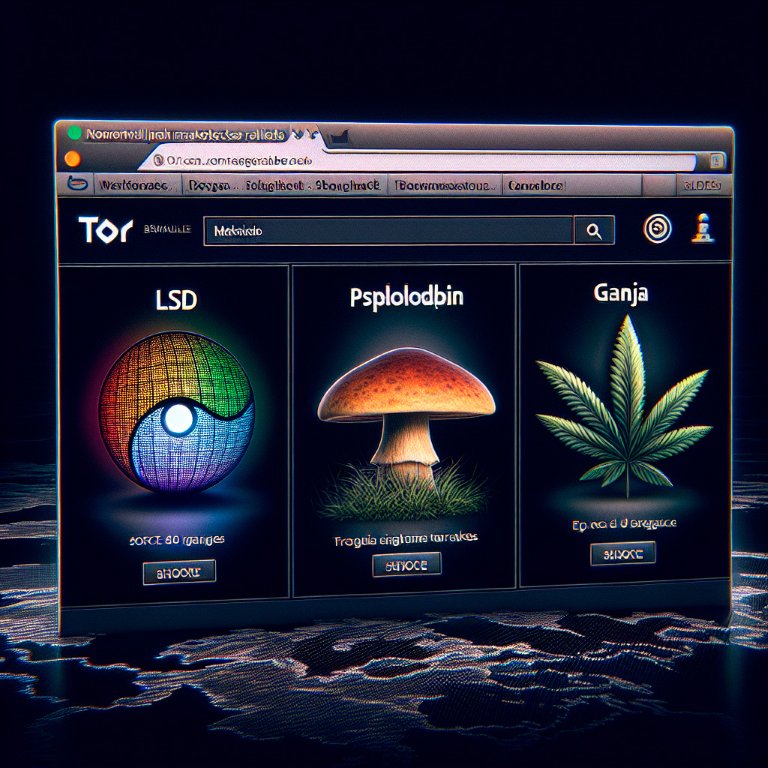
How Reputation Systems Make Darknet Trade Reliable
The operational foundation of darknet commerce rests on two intertwined pillars: the transactional anonymity provided by cryptocurrency and the relational trust generated by vendor reputation systems. These mechanisms work in concert to create a stable environment for private trade where traditional legal frameworks are absent.
Cryptocurrencies like Bitcoin and Monero facilitate secure transactions by removing the need for personal banking details. Payments are cryptographically secured and recorded on a public ledger, but the identities of the transacting parties remain pseudonymous. This financial privacy is essential, as it decouples economic activity from personally identifiable information. To further enhance security, transactions typically utilize a multi-signature escrow system. In this model, funds are held by the marketplace platform until the buyer confirms satisfactory receipt of goods, only then is the payment released to the vendor. This prevents common fraud scenarios and aligns the incentives of all participants toward successful completion of the trade.
Trust is operationalized through transparent, crowd-sourced reputation systems. Each vendor maintains a public profile featuring key metrics:
- Overall rating based on user feedback.
- Number of completed transactions, indicating experience.
- Detailed customer reviews commenting on product quality, stealth shipping, and communication.
The synergy between these elements creates a self-regulating ecosystem. Cryptocurrency provides the necessary privacy and secure payment channel, while reputation systems provide the necessary transparency and accountability. This combination allows complex economic exchanges to occur with minimal central oversight. The resilience and volume of activity observed on these platforms demonstrate that distributed trust mechanisms, built on verifiable transaction histories and cryptographic security, can effectively facilitate and stabilize anonymous markets.
How Darknet Markets Run Smoothly on Their Own
The operational model of darknet markets demonstrates a successful framework for decentralized commerce. These platforms function without a traditional corporate hierarchy, relying instead on a combination of automated systems and community-driven protocols to facilitate trade. The architecture is built on two foundational pillars: cryptocurrency and vendor reputation systems, which together create an environment for safe and private transactions.
Cryptocurrencies like Bitcoin and Monero are integral, providing a pseudonymous and borderless medium of exchange. Transactions are recorded on a public ledger, but the identities of the parties are encrypted. This allows for financial transfers that are not directly tied to personal banking information, adding a critical layer of financial privacy. The use of escrow services, managed by the market's software, further secures transactions. Funds are held by the platform until the buyer confirms receipt of goods, which disincentivizes fraud and builds immediate transactional trust.
Trust at a systemic level is generated through transparent feedback and rating systems. Each vendor accumulates a public history of reviews, detailed metrics on shipping times, and product quality reports from previous buyers. This creates a self-regulating economy where reputational capital becomes a vendor's most valuable asset. High-rated vendors receive more business, which incentivizes honest and reliable service. New participants can assess this accumulated data to make informed purchasing decisions, effectively crowdsourcing reliability and quality control without central oversight.
The convergence of these systems enables a resilient marketplace. Cryptocurrency ensures private and secure payment flows, while reputation metrics reduce the need for a central authority to vet sellers. Disputes are often resolved through community moderators or pre-programmed arbitration rules, minimizing direct intervention. This model showcases how decentralized trust mechanisms and cryptographic tools can autonomously coordinate complex economic activity, facilitating a stable platform for anonymous trade that operates continuously with minimal central control.

How Darknet Markets Build Trust and Privacy for Trade
The operational foundation of darknet marketplaces rests on two interdependent pillars: cryptocurrency and vendor reputation systems. These mechanisms work in concert to facilitate secure, private, and efficient commerce by solving the fundamental problems of trust and anonymity in a stateless environment.
Cryptocurrencies like Bitcoin and Monero are the lifeblood of these markets. They enable pseudonymous transactions that are not directly tied to real-world identities or traditional financial institutions. This provides a layer of financial privacy for both buyers and sellers. Transactions are recorded on a public ledger, but the parties involved are represented by cryptographic addresses, not names. For enhanced privacy, markets often use a multi-signature escrow system, where funds are held by the platform until the buyer confirms receipt of the goods, preventing direct payment scams.
Trust is engineered through transparent, crowd-sourced reputation systems. Each vendor maintains a public profile displaying metrics such as:
- Transaction count and overall positive feedback percentage.
- Detailed customer reviews describing product quality, shipping speed, and stealth.
- A history of resolved disputes, often moderated by market administrators.
This creates a self-regulating economic environment where vendor credibility is directly linked to commercial success. A seller with a long history of positive reviews has a high digital capital value, creating a strong economic incentive for honest dealing. The system effectively decentralizes trust, moving it from a central authority to a distributed network of peer reviews. The combination of encrypted communication, anonymous cryptocurrency payments, and immutable reputation scores creates a resilient framework for private online trade that minimizes risk and fosters voluntary, consensual exchange.
How Cryptocurrency and Vendor Reputation Make Darknet Trade Safe and Easy
The operational security of darknet commerce relies on two interdependent pillars: cryptocurrency and vendor reputation systems. These mechanisms work in tandem to facilitate private transactions and build trust in an environment without traditional legal safeguards.
Cryptocurrencies like Bitcoin and Monero provide the financial layer for anonymous trade. Their decentralized nature and cryptographic foundations allow for peer-to-peer value transfer without involving banks or payment processors that require personal identification. This creates a direct financial channel between buyer and seller, where transactions are recorded on a public ledger but the identities behind the wallet addresses are obscured. For enhanced privacy, users often employ tumblers or use privacy-centric coins, further disassociating the transaction from their real-world identity.
Trust is engineered through transparent, crowd-sourced reputation systems. Each vendor maintains a public profile displaying a history of their transactions. Key metrics include:
- A numeric rating based on buyer feedback.
- Detailed reviews describing product quality, shipping speed, and stealth.
- A transaction count, showing total sales volume over time.
This feedback is immutable and serves as a self-regulating mechanism. A vendor with a long history of high ratings has a significant financial incentive to maintain honest operations, as their reputation represents their business capital. Disputes are often mitigated by a multisignature escrow service, where funds are held by a third party until the buyer confirms satisfactory receipt of goods. This system reduces fraud by aligning the vendor's economic interest with reliable service, creating a stable platform for commerce based on demonstrated performance rather than personal identity.

How Darknet Drug Markets Build Trust and Privacy
The operational model of darknet marketplaces demonstrates a robust framework for secure and private commerce that mainstream digital markets can analyze. This framework is built on two interdependent pillars: cryptocurrency and vendor reputation systems. Cryptocurrencies like Bitcoin and Monero provide the foundation for financial privacy. Transactions are pseudonymous by design, separating financial activity from real-world identity. This allows for a discreet exchange of value without the oversight of traditional banking institutions, which often act as intermediaries and points of control.
The second pillar, the reputation system, directly addresses the inherent challenge of trust in anonymous environments. Every transaction concludes with a detailed feedback rating and review, creating a transparent and immutable record of a vendor's reliability. This transforms subjective trust into an objective, crowd-sourced metric. Vendors with high ratings and positive reviews gain more business, incentivizing honest conduct and quality service. The system effectively regulates the marketplace through community-driven accountability rather than top-down enforcement.
The synergy between these elements is critical. Cryptocurrency enables the private transaction, while the reputation system ensures its integrity. This combination facilitates a self-sustaining economic ecosystem where:
- Privacy is protected by cryptographic tools.
- Trust is generated through transparent, iterative feedback.
- Economic incentives align with ethical marketplace behavior.
For mainstream platforms, the lesson is in this decentralized governance model. It shows how markets can operate with minimal central authority by leveraging technology to automate trust and ensure transactional privacy. This model highlights the potential for user-centric commerce where control and verification are distributed among participants, leading to resilient and efficient digital market environments.